Meteora Greece: What to See

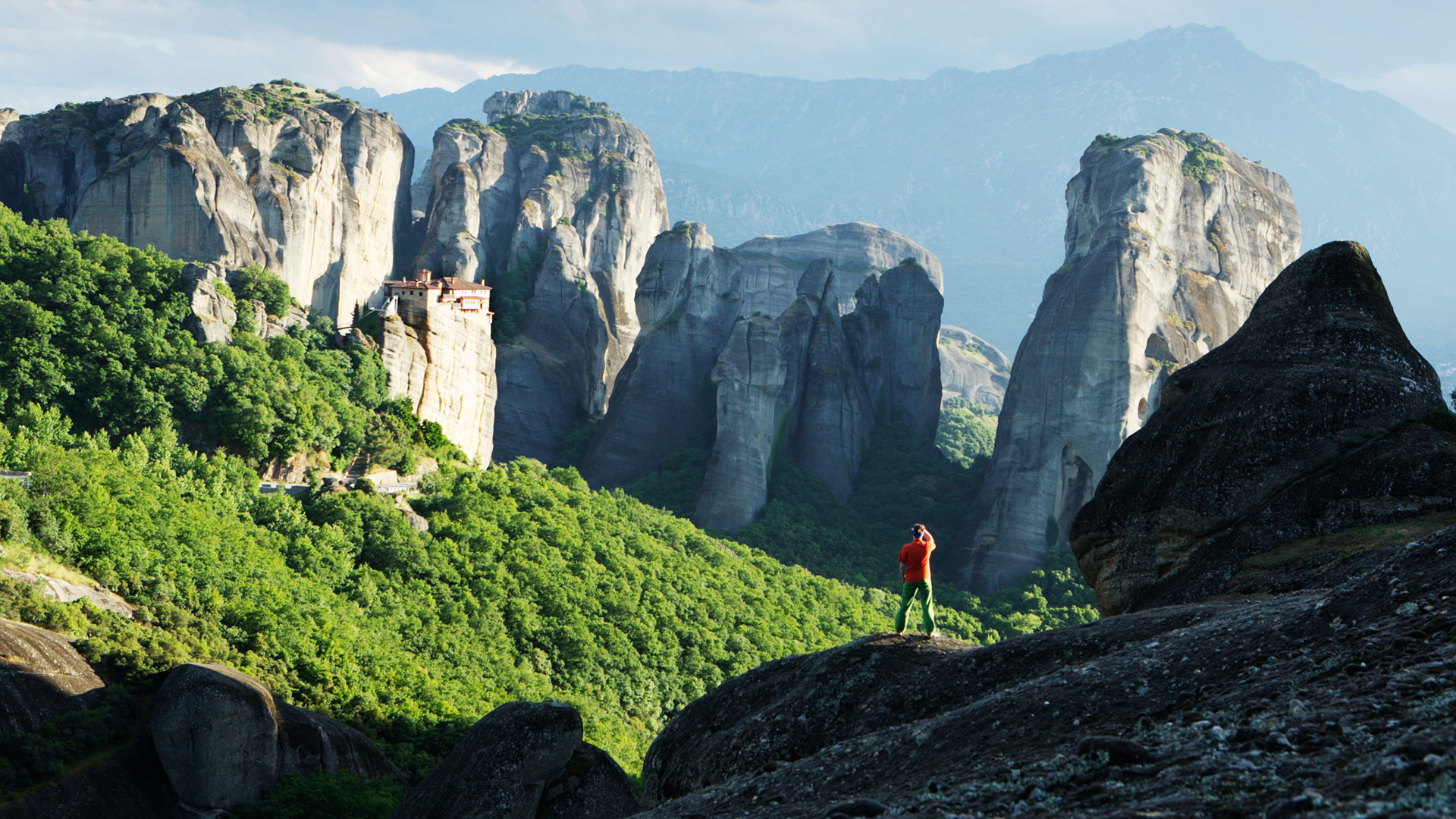
Meteora is one of Greece’s most extraordinary destinations, where centuries-old monasteries stand atop towering sandstone pillars shaped by nature over millions of years. As a UNESCO World Heritage Site, Meteora combines breathtaking landscapes, Byzantine heritage, scenic hiking trails, and authentic local culture, making it one of the country’s most rewarding places to explore.

Whether you’re visiting for a few hours or spending several days in the region, this guide covers the top attractions, the best viewpoints, recommended itineraries and practical tips to help you make the most of your visit.

What to See in Meteora Greece – Must-Visit Monasteries, Viewpoints & Activities

Beyond the iconic Meteora monasteries, the full range of Meteora attractions includes scenic viewpoints, hiking trails, nearby cultural sites, and traditional villages. To organize your visit efficiently, explore our detailed trip planning resources that help you structure your time in the region.

What Should You See in Meteora?

If you only have one day in Meteora, prioritize visiting two or three monasteries, stopping at the panoramic viewpoints along the scenic road, exploring the traditional village of Kastraki, and staying for sunset over the rock formations. If you have more time, add a hiking trail, the ancient hermit caves and Kalambaka’s local museums to complete your experience.

Where Is Meteora in Greece?

Meteora is situated in Thessaly, a region in central Greece. More specifically, it lies just outside the town of Kalabaka (or Kalambaka) and near the quaint village of Kastraki. The site is nestled at the northwestern edge of the Plain of Thessaly, beneath the imposing Pindus mountain range, offering panoramic views and natural tranquility.

To give a precise idea of its location:

  • 320 kilometers (200 miles) northwest of Athens
  • 230 kilometers (143 miles) southwest of Thessaloniki

Easily accessible by car, train, or bus, Meteora is a comfortable 4-5 hour journey from both Athens and Thessaloniki, making it an ideal destination for a weekend escape or a deeper dive into the spiritual and natural wonders of Greece.

Let us show you why you shouldn’t miss the opportunity to visit this unique and spectacular UNESCO World Heritage Site.

How to Get to Meteora

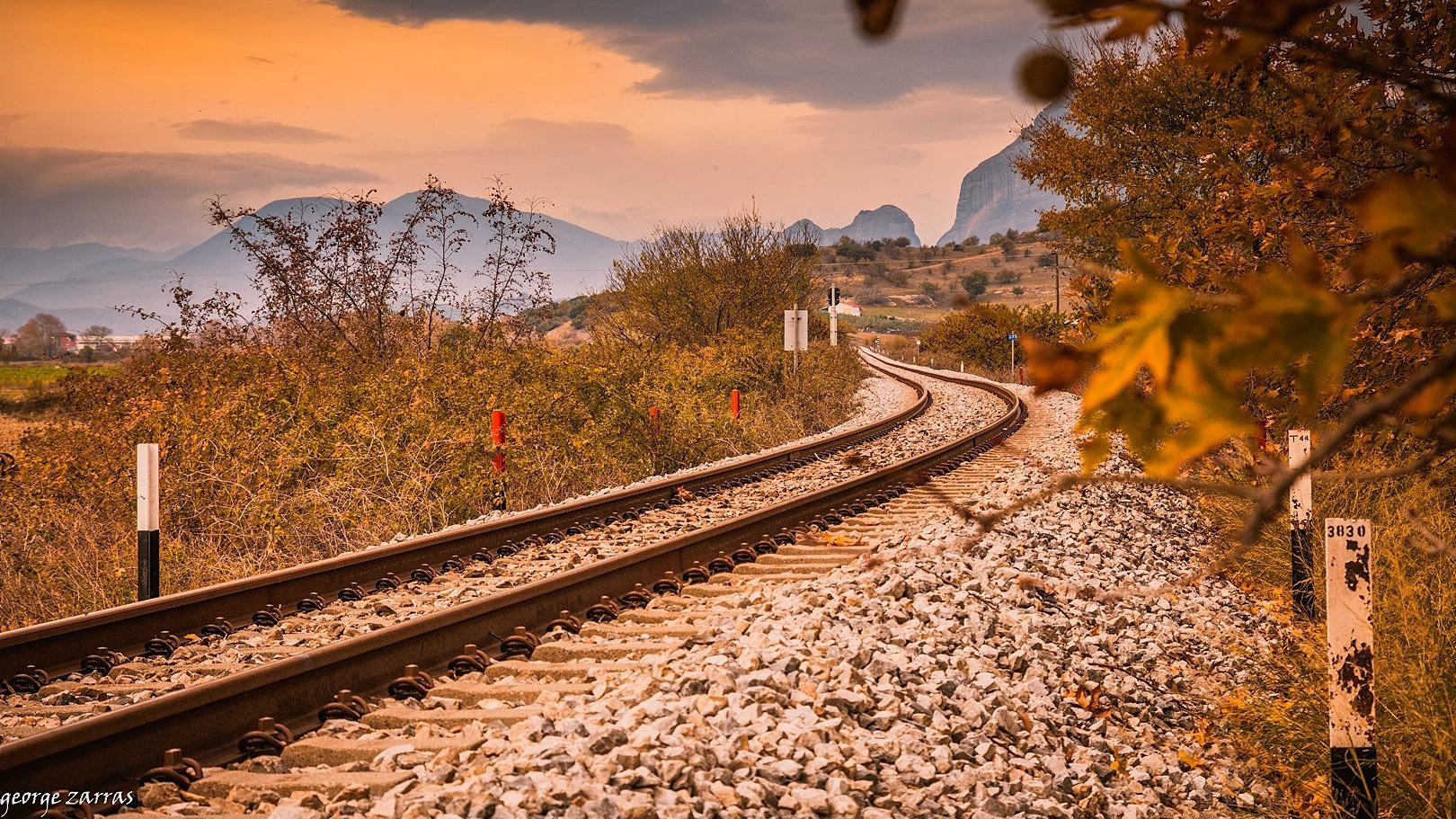
  • By Train: Travel connections to Meteora may combine rail and replacement bus services, depending on the current timetable and ongoing infrastructure works. Always check the latest official schedule before travelling. Read more here.

  • By Car: Driving allows flexibility to explore the surrounding countryside and villages. The trip from Athens via the E75 highway and Trikala takes approximately 3.5 hours. Read more here.

  • By Bus: Intercity KTEL buses connect Kalabaka with major cities like Trikala, Athens, and Thessaloniki. Read more here.

Suggested Itineraries

Half-Day Visit

+ Visit two monasteries

+ Stop at the panoramic viewpoints

+ Explore Kastraki

One-Day Visit

+ Visit three monasteries

+ Lunch in Kalambaka or Kastraki

+ Scenic viewpoints

+ Sunset over Meteora

Two-Day Visit

+ Visit three to four monasteries

+ Hiking trail

+ Hermit caves

+ Sunset viewpoint

+ Museums and local villages

Is One Day Enough to Visit Meteora?

Yes, one full day is enough to experience Meteora’s highlights, including several monasteries and the main viewpoints. However, staying overnight allows you to enjoy sunrise, sunset, and quieter moments after most day visitors have left. Two days provide enough time to combine monastery visits with hiking, local villages and cultural attractions at a more relaxed pace.

Top 10 Things to Do in Meteora

From UNESCO-listed monasteries to panoramic viewpoints, hiking trails, and traditional villages, Meteora offers experiences for every type of traveler. Here are the ten attractions you shouldn’t miss during your visit.

1. Visit the Meteora Monasteries

The iconic experience

The six active Meteora monasteries are the region’s most famous attraction. Perched atop towering sandstone pillars, they combine Byzantine architecture, centuries of history, and breathtaking views over one of Greece’s most spectacular landscapes.

Explore the Monasteries →

2. Watch the Sunset over Meteora

One of Greece’s most unforgettable sunsets

As the sun sets behind the rock formations, the cliffs glow with golden and orange colors, creating one of the country’s most photographed landscapes. The panoramic viewpoints along the monastery road offer spectacular sunset views.

Book the Best Sunset Experience→


3. Discover the Hermit Caves

Where Meteora’s story began

Before the monasteries were built, hermit monks lived inside natural caves carved into the cliffs. These remarkable dwellings provide a fascinating glimpse into the earliest monastic life in Meteora.

Explore Hermit Caves →

4. Hike the Ancient Trails

Experience Meteora beyond the road

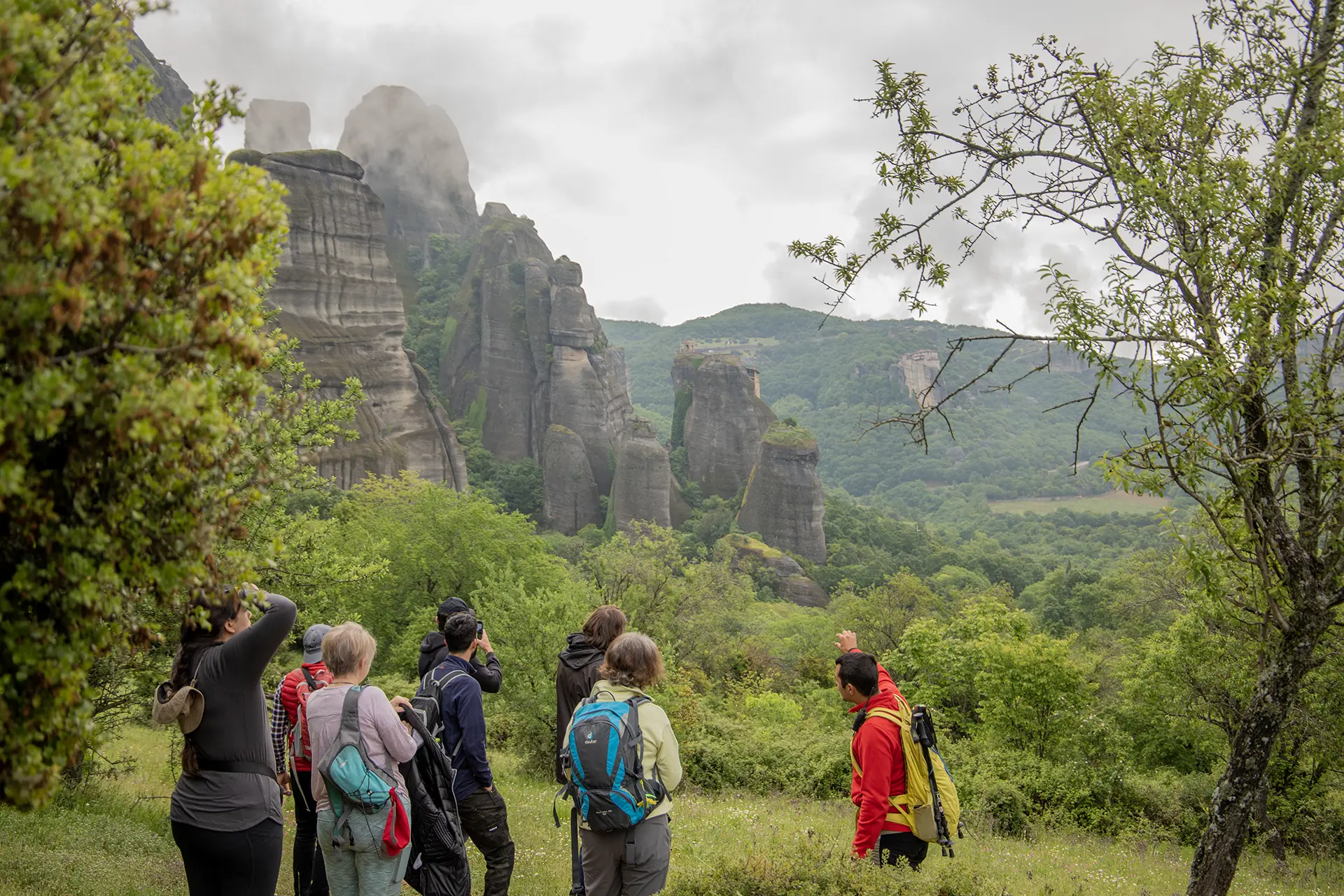
Follow historic footpaths once used by monks to travel between monasteries. Hiking reveals hidden viewpoints, peaceful forests and dramatic rock formations that most visitors never see.

Explore Hiking Tours →


5. Explore the Village of Kastraki

Traditional village beneath the cliffs

Kastraki is a charming stone-built village surrounded by the towering rocks of Meteora. Wander its quiet streets, enjoy local tavernas, and experience authentic Greek hospitality just below the monasteries.

Explore Kastraki →

6. Walk Through Kalambaka

The gateway to Meteora

Kalambaka blends local life with history and serves as the main base for exploring Meteora. Visit museums, browse traditional shops, and enjoy local cuisine before or after your monastery visits.

Explore Kalambaka →

7. Experience Local Food & Wine

Taste the flavors of Thessaly

After exploring the monasteries, discover traditional Greek cuisine in Kalambaka and Kastraki. From homemade pies and grilled specialties to local wines, the region offers an authentic culinary experience.

Explore Culinary Activities→

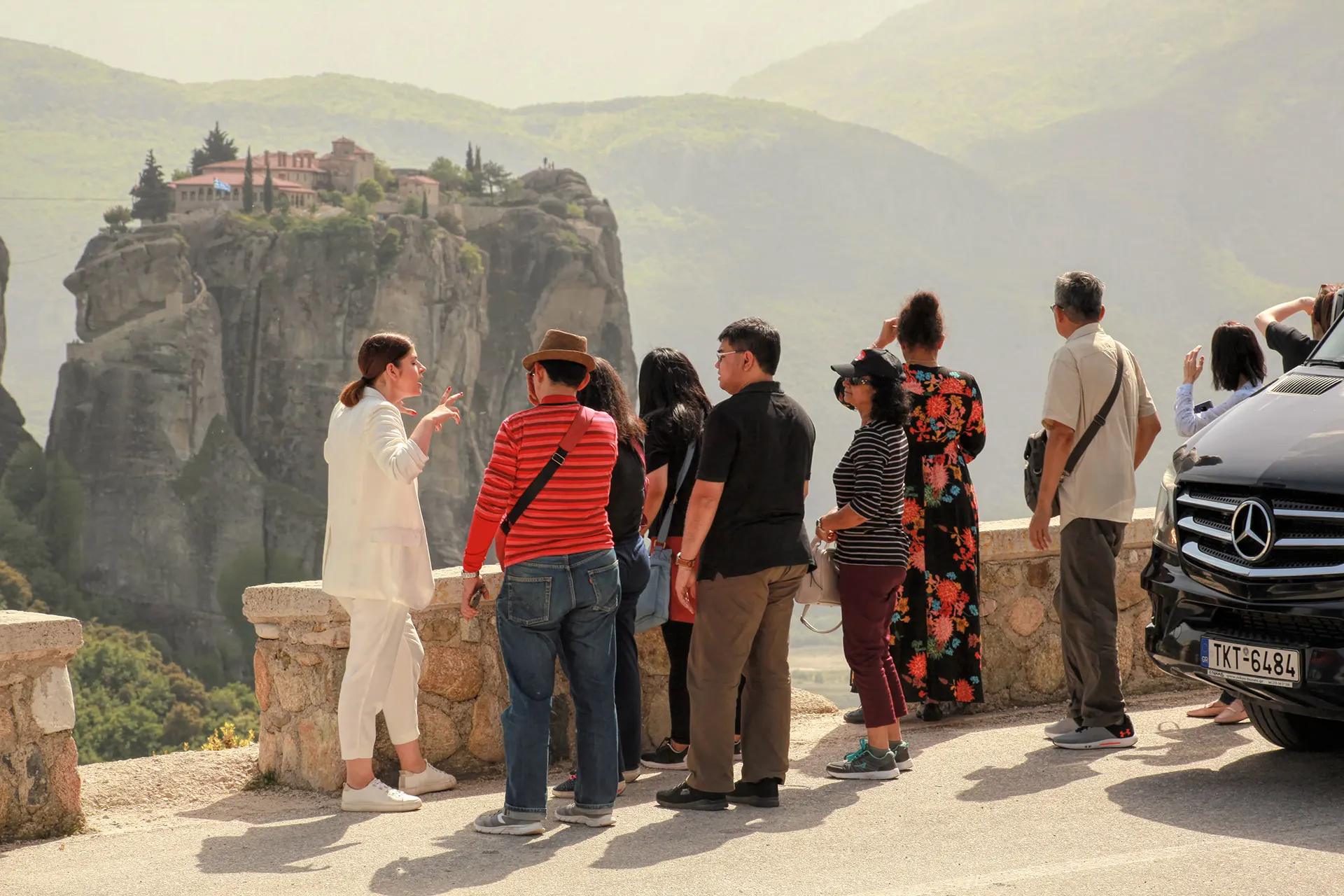
8. Join a Guided Meteora Tour

Learn the stories behind the landscape

A guided tour brings Meteora to life through local stories, history and hidden viewpoints that are often overlooked by independent visitors. It’s one of the easiest ways to experience the region in a limited amount of time.

Compare Meteora Tours →


9. Stay Overnight in Meteora

See Meteora without the daytime crowds

Many visitors arrive on day trips, but staying overnight allows you to experience peaceful mornings, spectacular sunrise views and quieter monastery visits before the crowds return.

Explore Multi-Day Trips→

10. Explore the Countryside Around Meteora

Experience authentic rural Greece

Beyond the famous monasteries lies another side of Meteora waiting to be discovered. Drive through quiet country roads, visit traditional villages, pass vineyards and farmlands, and experience the everyday life of the region. Exploring the surrounding countryside offers a deeper connection with the local culture, stunning landscapes, and hidden viewpoints that many visitors never see.

Explore the Villages Around Meteora →


Experience Meteora with Local Experts

Discover Meteora with local guides who know the region beyond the main monasteries and viewpoints. Choose from small-group sightseeing tours, sunset experiences, hiking adventures, private tours and multi-day trips from Athens.

Booking directly with Visit Meteora gives you access to local support, carefully designed itineraries and our best available direct rates. 

A Majestic Geological Marvel

The towering rock formations of Meteora are not only visually breathtaking but also the result of a remarkable geological journey that began millions of years ago. Once, the entire region was covered by a vast prehistoric sea, where layers of sand, gravel, and other sediments slowly accumulated over time.

As natural forces shaped the landscape, these deposits gradually solidified into rock. Over millions of years, wind, water, and temperature changes sculpted the formations into the dramatic pillars we see today. The result is a unique natural landscape that feels almost otherworldly — a place where geology and time have created something truly extraordinary.

Wondering how this unique landscape was created? Here is a simple explanation of how the Meteora cliffs were formed.

Watch Meteora Come Alive on YouTube

Short clips, local tips, and unforgettable views.

How were the Meteora cliffs formed?

How Did Meteora Cliffs Formed

The cliffs of Meteora were formed through a combination of geological processes over millions of years:

  1. Ancient seabed formation
    Around 50 million years ago, the area was covered by a sea where sediments like sand, gravel, and clay accumulated.
  2. Sediment compression
    These materials gradually compacted and hardened into rock, forming thick layers across the region.
  3. Tectonic uplift
    Movement of the Earth’s crust caused the seabed to rise, bringing these rock formations above sea level.
  4. Erosion and shaping
    Wind, rain, and rivers slowly eroded the softer materials, leaving behind the tall, narrow rock pillars that define Meteora today.
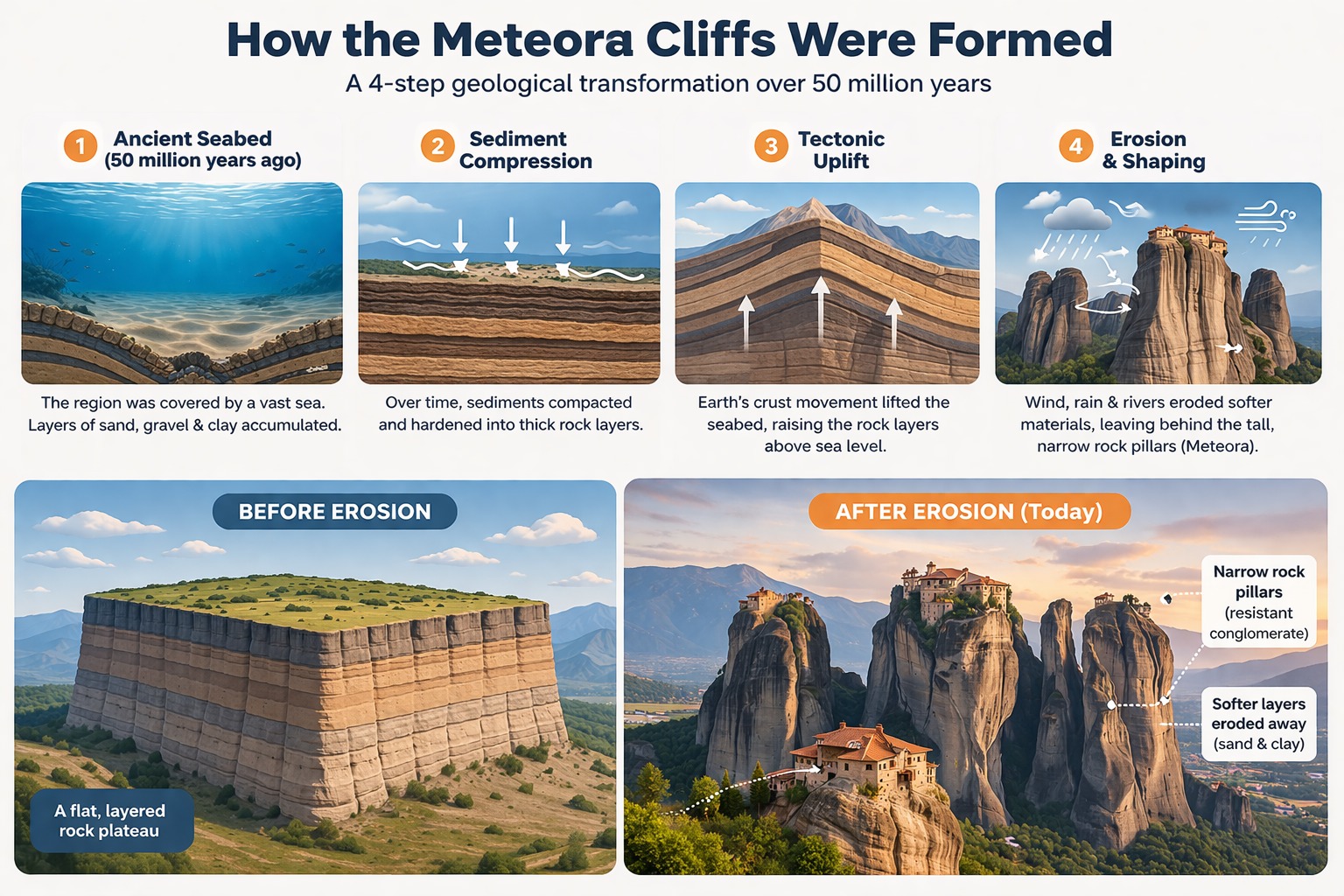
This combination of uplift and erosion created one of the most unique geological landscapes in Europe.

A Holy Place of Greece

There were 24 monasteries of Meteora, built on the numerous summits of the cliffs between the 14th and 16th centuries, establishing Meteora as one of the most significant monastic centers in Eastern Orthodox Christianity. From their inception, these monasteries played a crucial role in the spiritual and cultural life of the region, embodying the devotion of the monks who sought a life of contemplation away from the world. Today, six of these monasteries remain open for visitors to explore and admire, showcasing their stunning architecture and breathtaking landscapes.

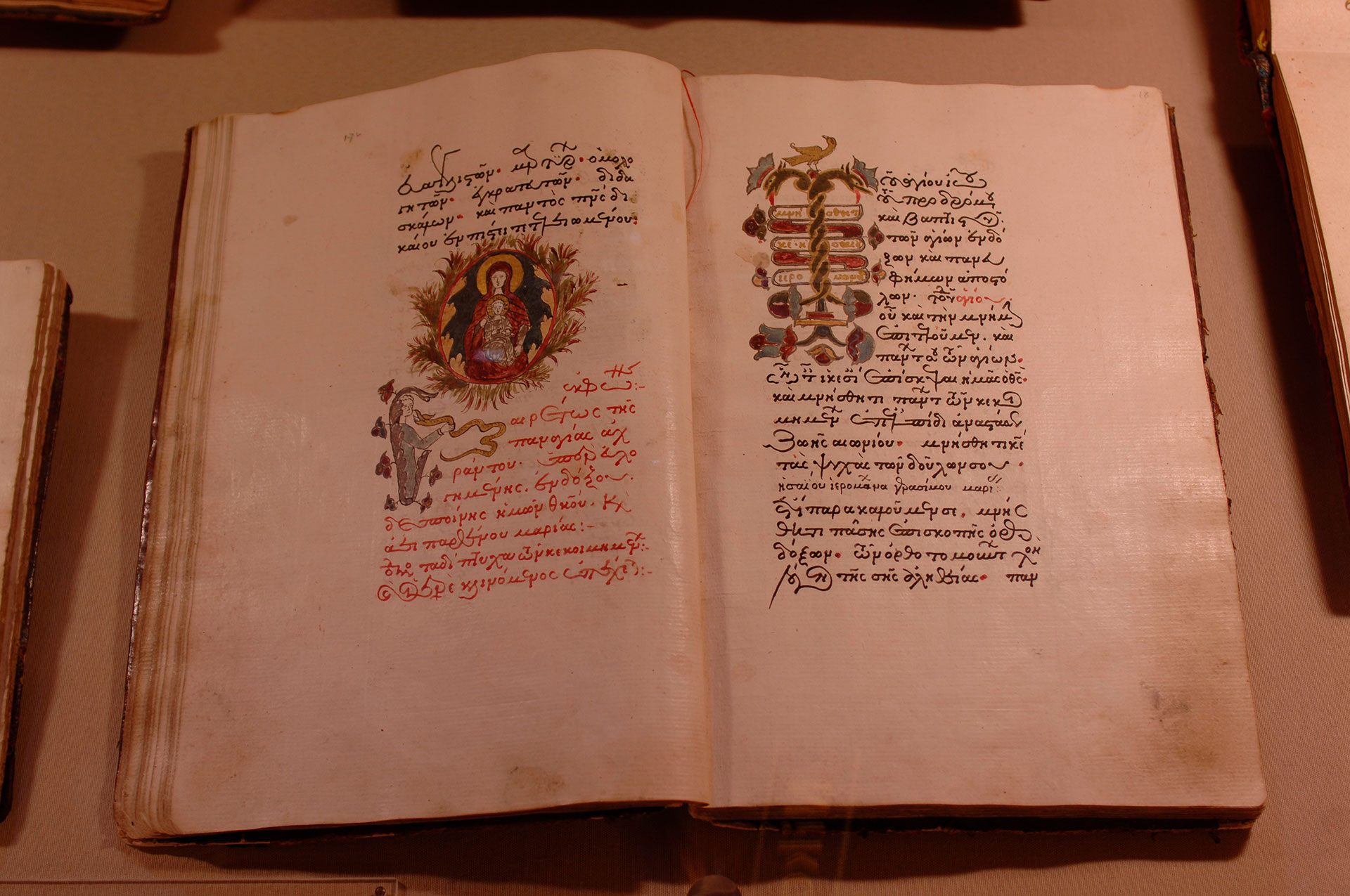
Each monastery is a testament to the incredible craftsmanship and artistic achievements of the Byzantine era, with intricate frescoes, religious icons, and architectural features that reflect the profound spiritual significance of these sacred spaces. Moreover, they house valuable collections of manuscripts and historical artifacts, which are exhibited in their museums, providing insight into the rich monastic traditions and history of the entire Meteora region in Greece.

Meteora Tours And Outdoor Experiences in Meteora

Beyond its Meteora monasteries, Meteora offers exceptional outdoor experiences, from scenic forest paths to panoramic ridge trails. If you’re interested in exploring nature more deeply, our hiking pages outline the most rewarding routes in the region.

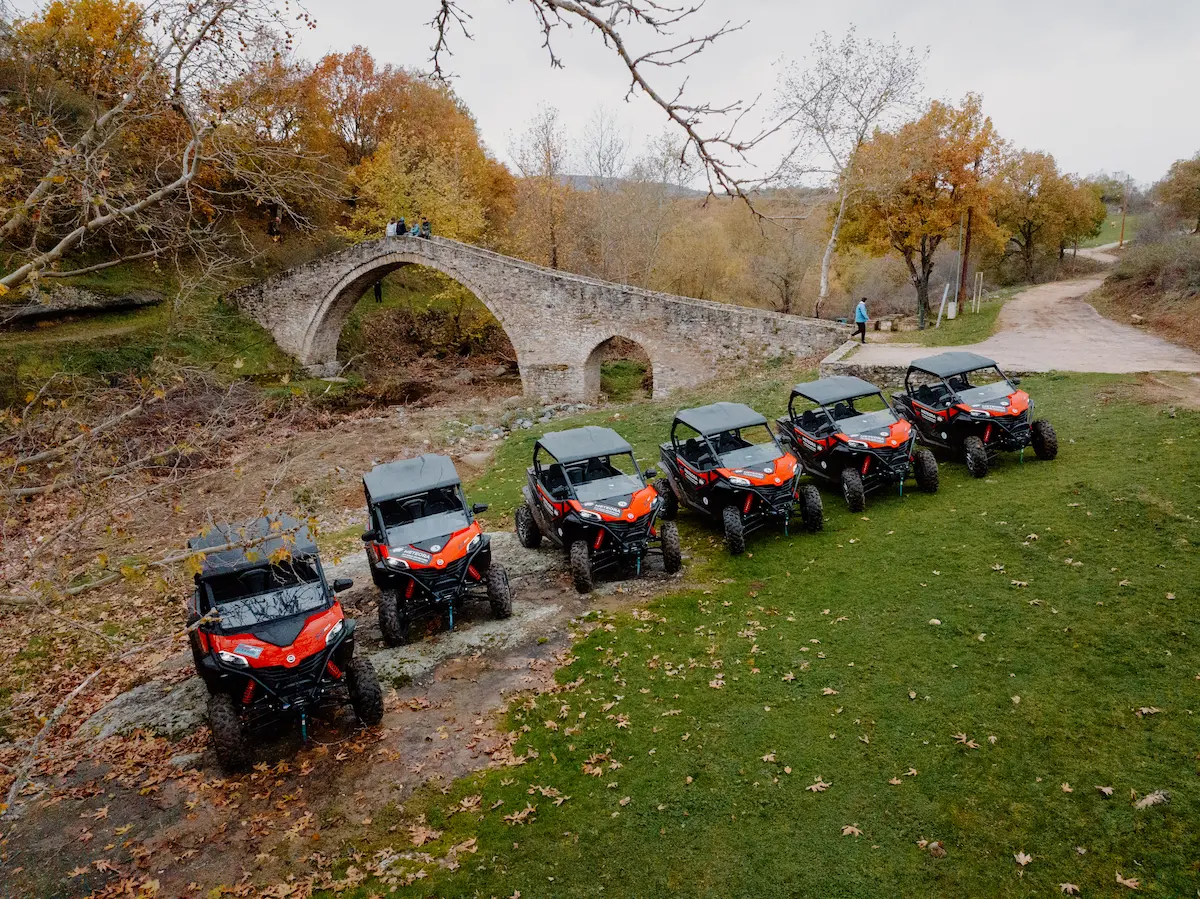
For travelers seeking active outdoor experiences in Meteora, guided hikes or SxS Off-Road vehicles provide both safety and a deeper understanding of the landscape’s geological and cultural history.

Why Book With Us

Read the Code of Ethics of Meteora for responsible tourism

By choosing to visit Meteora, you’ve made a choice to visit, above all, a holy place! A centuries-old monastic community with monks and nuns who still practice their faith and ancient rituals. It is one of the most important monastic centers of the Greek Orthodox Church and Eastern Christianity. Below, we give the code of ethics one should follow while visiting Meteora and the monasteries.

Travel Insights and Tips

Frequently Asked Questions About Meteora Greece

There are many reasons not to want to drive while exploring Meteora, such as if you’re not confident driving on the opposite side of the road, your spouse is a terrible copilot, and you just want to have fun instead of arguing; or if you want to enjoy the scenic road and not feel stressed about the narrow and curvy roads. Lack of parking space outside the monasteries is a frequent phenomenon during the peak season in the summer. So joining one of our tours might save you a lot of headaches and unwanted distractions.

Parking space is quite limited outside the monasteries. Especially during the high season its impossible to find parking near the popular monasteries like Great Meteoro. Our advice is to start early, before 09.00 am, so you can have better odds of parking near the monastery’s entry. Even better, leave your car at the parking lot of your Hotel and consider joining the half day tour or the hiking tour. 

The main attractions include the iconic Meteora monasteries perched on rock formations, scenic viewpoints, popular hikes, and cultural stops in Kalambaka and Kastraki.

One full day is enough to see the main highlights, but two or three days are ideal for exploring the monasteries at a relaxed pace, enjoying hiking trails, visiting local villages, and experiencing both sunrise and sunset over the rock formations.

Meteora is famous for its towering sandstone rock formations and the six active Orthodox monasteries built on their summits. Recognized as a UNESCO World Heritage Site, Meteora is one of Greece’s most iconic destinations, attracting visitors for its unique blend of natural beauty, religious heritage, hiking trails and panoramic viewpoints.

Originally, Meteora was home to 24 monasteries established between the 14th and 16th centuries. Today, only six remain active and are open to visitors: Great Meteoron, Varlaam, Roussanou, Holy Trinity, St Stephen and St Nicholas Anapafsas.

Spring (April to June) and autumn (September to November) are generally considered the best times to visit Meteora thanks to mild temperatures, comfortable hiking conditions and beautiful scenery. Summer offers longer daylight hours but can be very warm, while winter provides a quieter and more atmospheric experience.

Yes. Meteora is an excellent destination for families. While some monasteries require climbing stairs, others, such as St Stephen Monastery, are easily accessible. Families can also enjoy scenic viewpoints, short walks and guided tours designed for visitors of all ages.

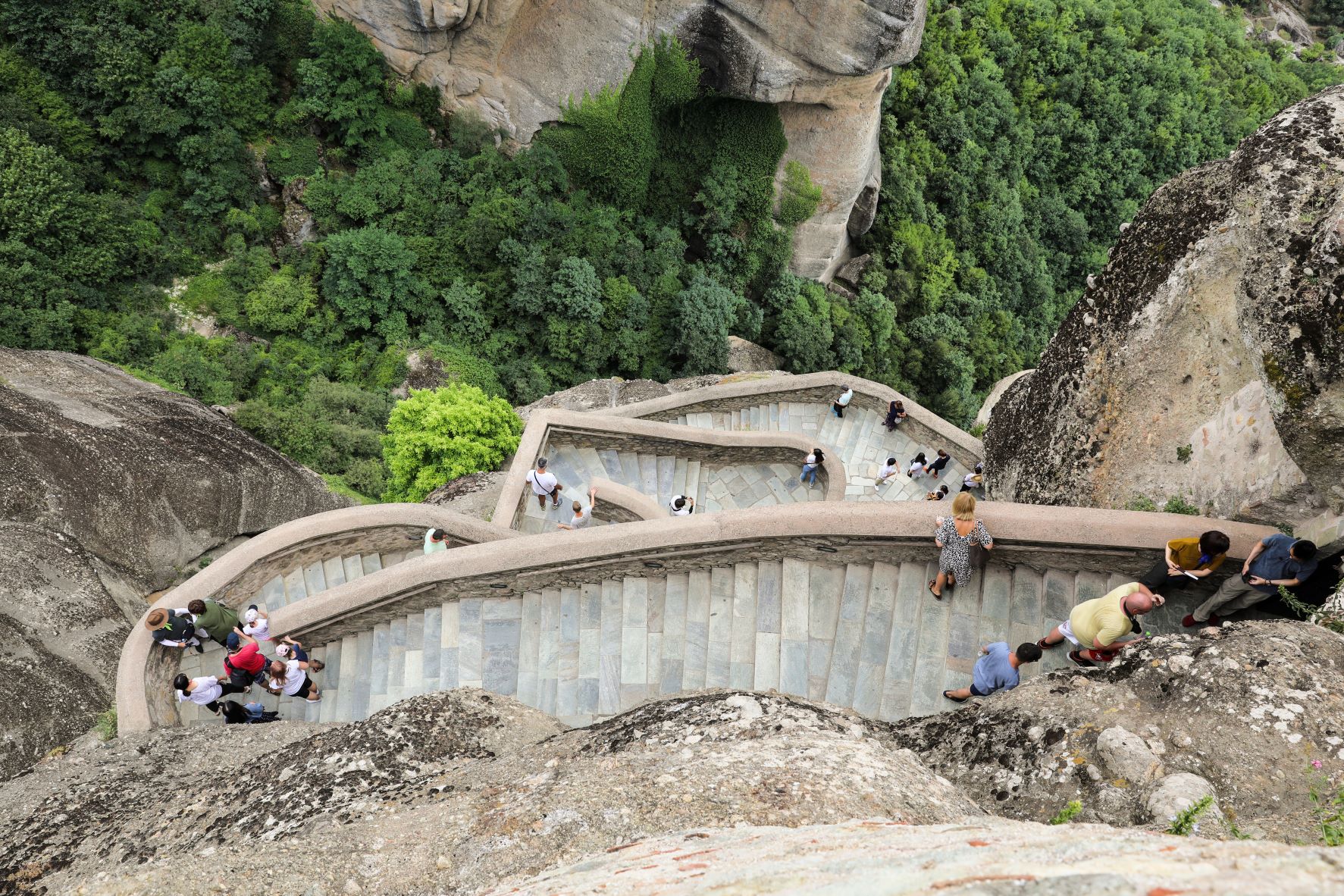
The amount of walking depends on the monasteries you choose to visit. Some require climbing several hundred stone steps, while others, such as St Stephen Monastery, can be reached with minimal walking. Comfortable footwear is recommended, especially if you plan to visit multiple monasteries or explore the hiking trails.

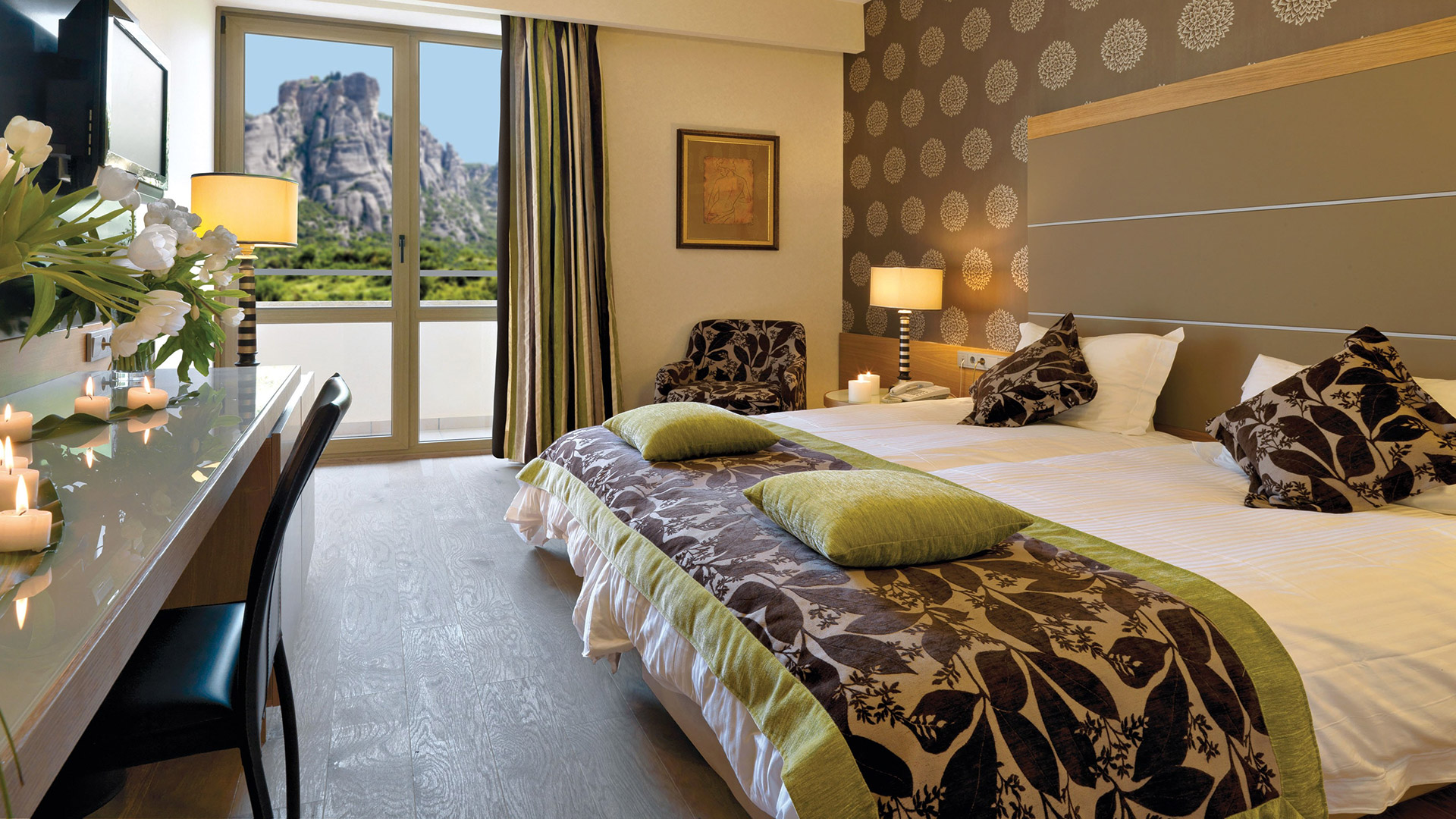
Most visitors stay in either Kalambaka or Kastraki. Kalambaka offers the widest choice of hotels, restaurants and services, while Kastraki provides a quieter atmosphere with direct access to the monasteries and hiking trails. Both villages are excellent bases for exploring Meteora.

No. While having a car offers greater flexibility, many visitors explore Meteora by joining guided tours, using local taxis or walking between selected monasteries and viewpoints.

Absolutely. Meteora is one of Greece’s most remarkable destinations, combining extraordinary natural scenery with centuries of religious history. Its unique landscape, UNESCO World Heritage status, and diverse activities make it a highlight of any trip to Greece.

Visiting all six monasteries in one day may occasionally be possible when their opening schedules align, but it is not the best option for most visitors. We recommend choosing two or three monasteries, so you have enough time to appreciate their history, architecture, and surroundings without rushing.

🌄 Plan Ahead, Save More on Your 2026 Meteora Adventure!

Book your 2026 trip to Meteora today and enjoy up to 10% off our award-winning tours and stays. Lock in your preferred dates before they sell out — early birds always fly higher!

Use code EARLYBIRD26 at checkout 🏷️

Offer Conditions:
Valid on selected tours, trips, and activities scheduled to depart between 1 January 2026 and 31 December 2026. The offer does not apply to bookings with start dates from 1 April 2026 to 12 April 2026. Availability is limited and subject to change without notice.