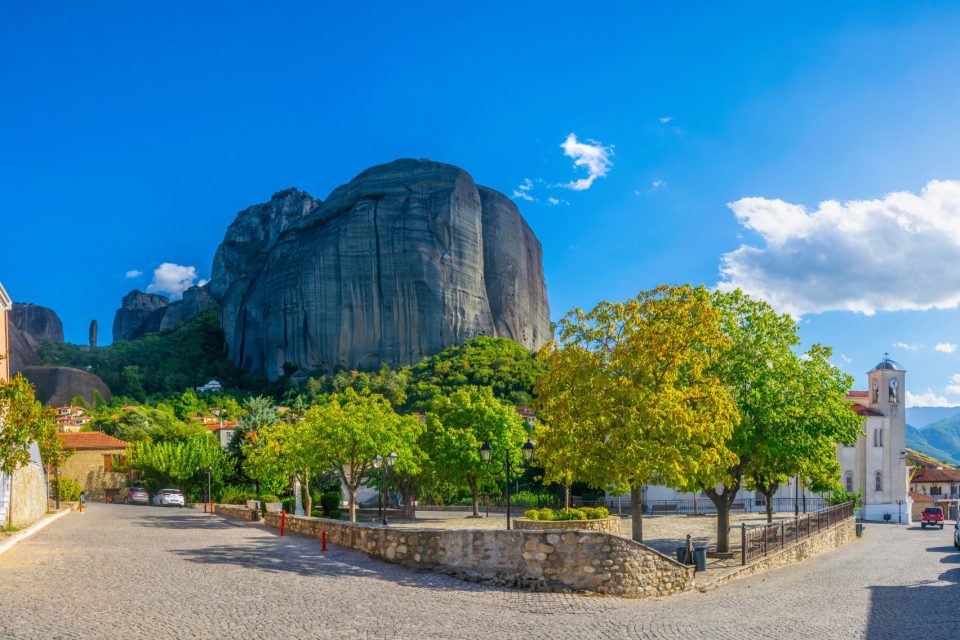
“In old Kastraki, you don’t just see history — you walk inside it.”
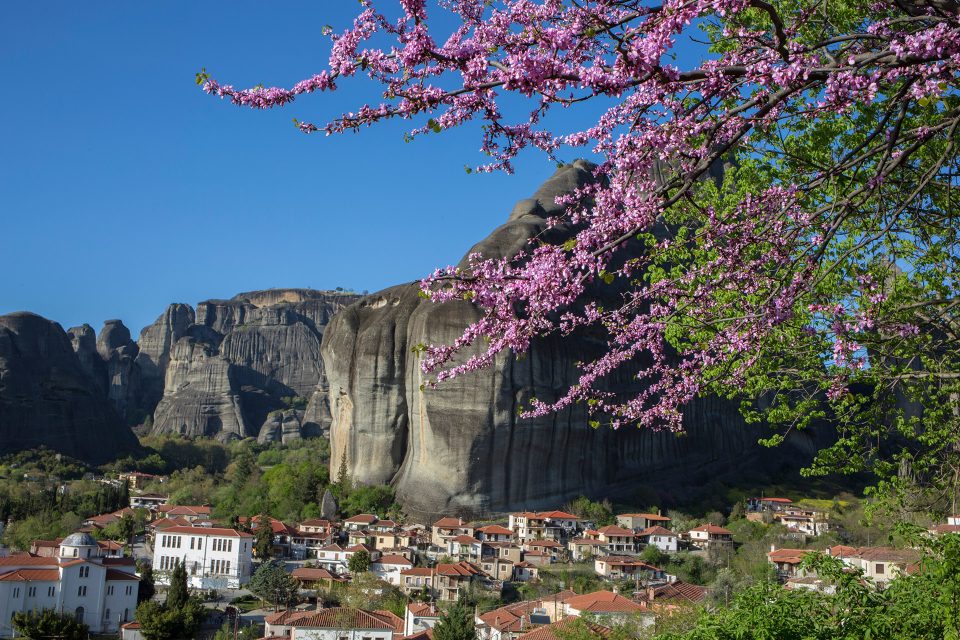
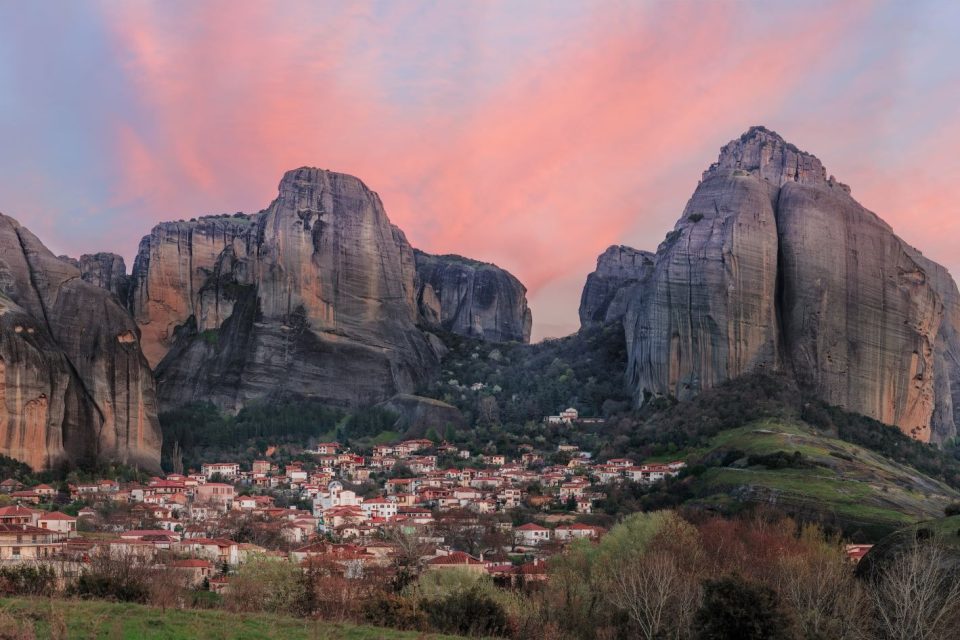
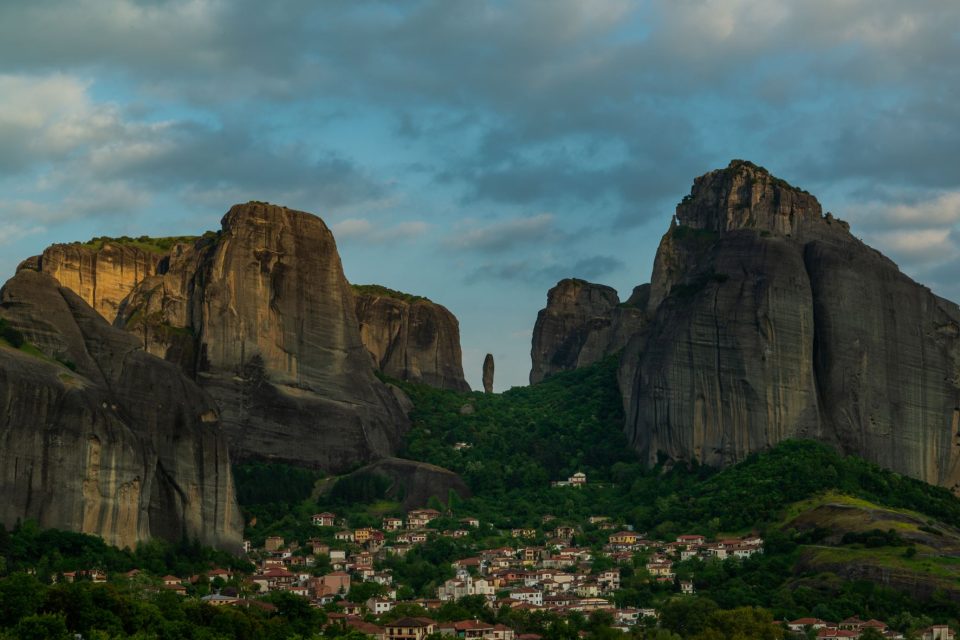
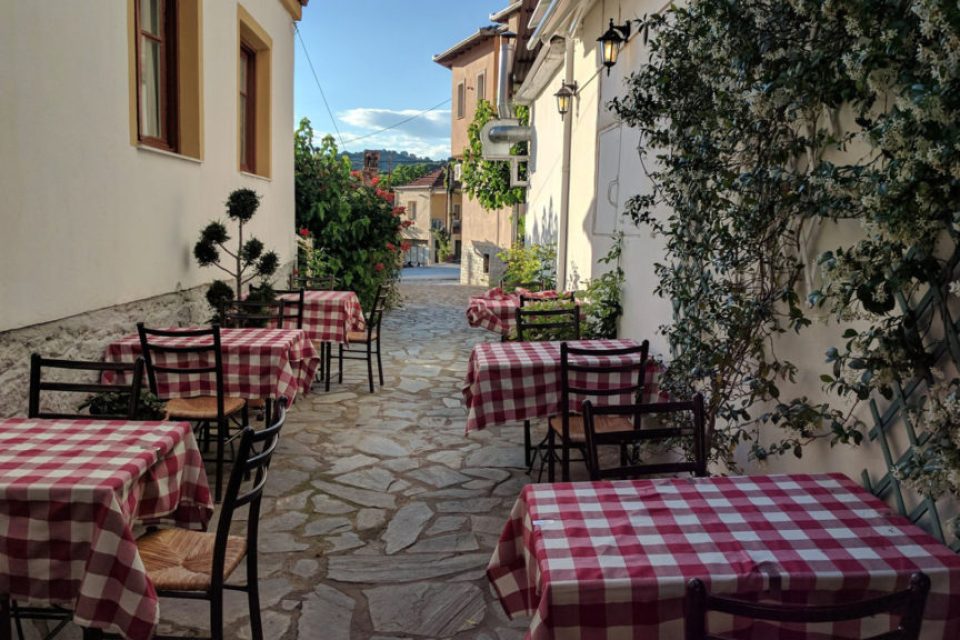
Beneath the towering cliffs of Meteora lies Kastraki, a village carved from stone and memory. While most visitors rush to the monasteries above, few stop to explore the preserved old quarters of Kastraki, where cobblestone paths, stone houses, and ancient chapels whisper stories of resilience, tradition, and Orthodox faith.
The old habitation of Kastraki Village, also called Mesochori (meaning the village in the middle), was the old main square of Kastraki.
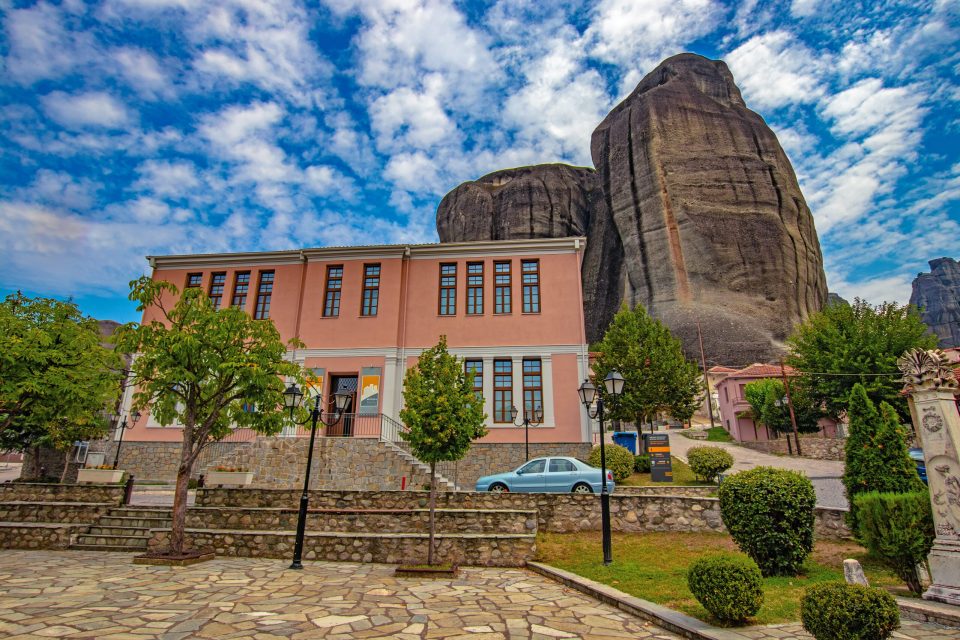
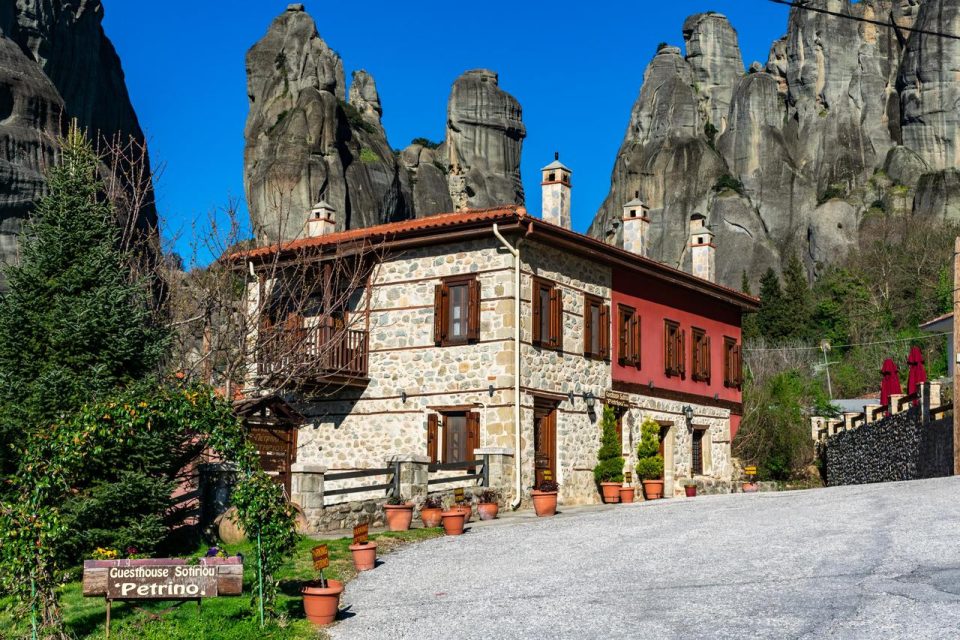
The old settlement of Kastraki, Mesochori, is the core of the wider settlement and is of great architectural interest. The preservation of the old urban design and the presence of a considerable number of buildings dating back to the early 20th century, all help to bring to mind the historicalness of the area and the authentic atmosphere of other times.
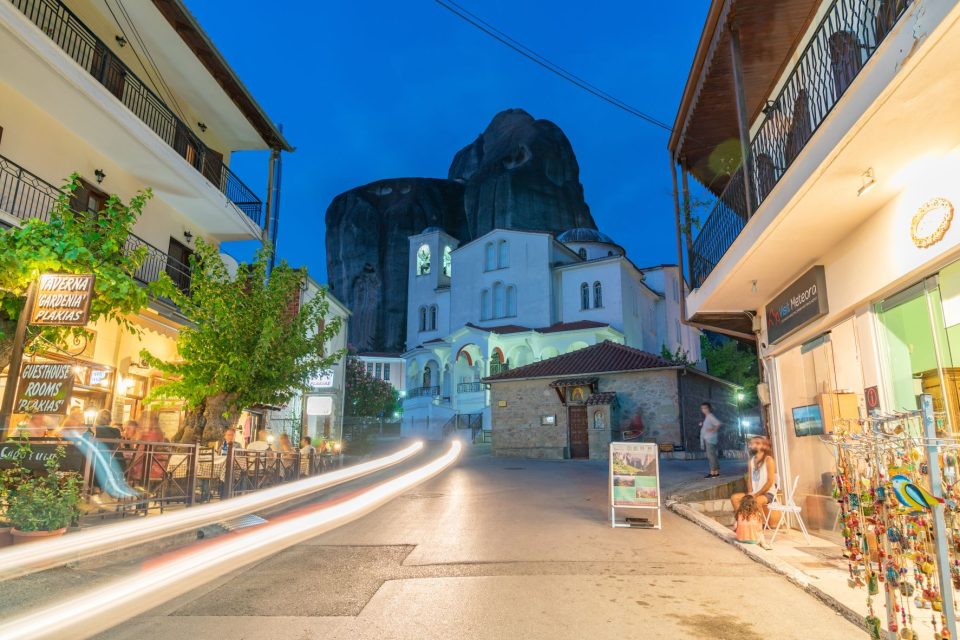
All visitors will find it worth walking through the narrow village streets, hiking through the paths among the towering rocks, and visiting the sketes, small country churches, monasteries, and other magnificent sites in the area. In Kastraki, the visitor can find important churches, built mainly during the Turkish Occupation of Greece. The Church of the Assumption of the Virgin Mary, a basilica with three aisles and remarkable frescos and a 16th-century iconostasis, is at the location Adrachti. The Church of Agios Nikolaos, the hagiographies of which were made in 1794, is also in the village. The Church of Agios Athanasios is close to the central square of the village. Its hagiographies go back to the 18th century.
You can view this amazing site with our Meteora Sunset Tour from Kalampaka.
Best time to avoid crowds
The Old Habitation of Kastraki Village is usually quiet, so the best time to visit is early morning or late afternoon, when the village feels calmer and the light is softer on the Meteora rocks. It is a nice alternative when the main monastery road is crowded.
Best nearby monastery to combine with the Old Habitation of Kastraki
Combine it with Agios Nikolaos Anapafsas Monastery, Doupiani, or the Hermit Caves of Badovas. This area works well as a slower Kastraki-side route focused on Meteora’s village life, early hermit history, and lesser-known religious sites.
Photography tip
Use the old houses, stone details, narrow paths, and Meteora rocks as one composition. The most atmospheric photos are usually wider shots that show how the settlement sits directly under the cliffs, rather than close-ups of individual buildings only.
Parking / access tip
Access is easiest on foot from Kastraki village. Parking inside the older part of the village can be limited and the streets may be narrow, so it is better to park in a suitable spot nearby and walk. Wear comfortable shoes, as some paths may be uneven or slightly uphill.
A: Yes — the old village is fully accessible. It is still inhabited, so visitors should respect the quiet, residential character of the area.
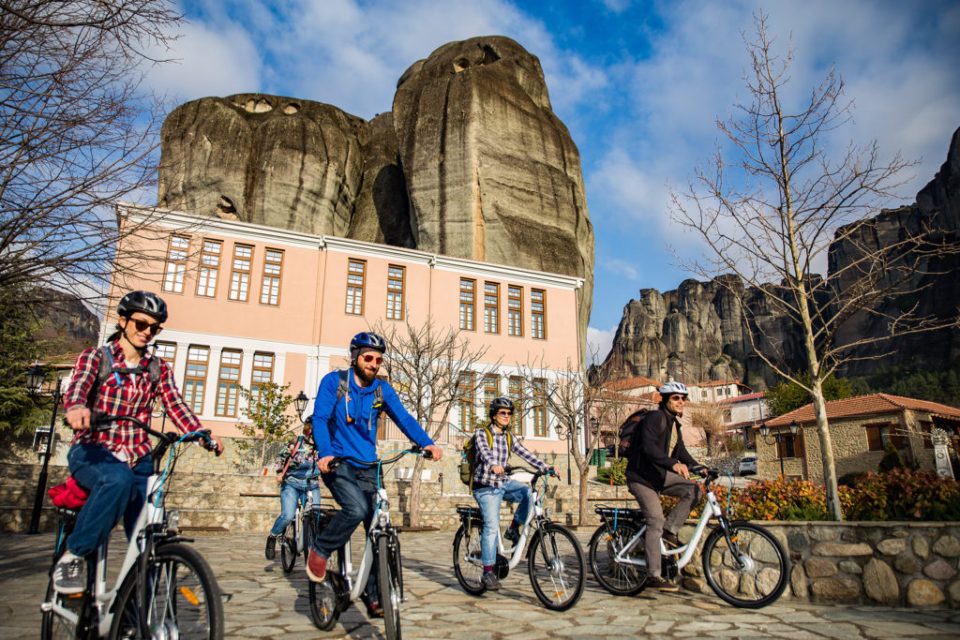
A: You can stroll through the alleys on your own, but it’s even better with a local guide who can explain the architecture, family stories, and historical context.
A: Yes — some guesthouses have preserved the original architecture, offering a truly immersive experience. Explore options under Meteora Hotels.
Book your 2026 trip to Meteora today and enjoy up to 10% off our award-winning tours and stays. Lock in your preferred dates before they sell out — early birds always fly higher!
Use code EARLYBIRD26 at checkout 
Offer Conditions:
Valid on selected tours, trips, and activities scheduled to depart between 1 January 2026 and 31 December 2026. The offer does not apply to bookings with start dates from 1 April 2026 to 12 April 2026. Availability is limited and subject to change without notice.